
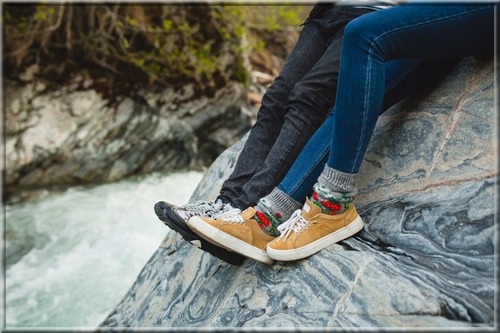
You have flat feet and keep hearing about barefoot shoes.
But do they actually work or will they make things worse?
The truth is more nuanced than a simple yes or no.
Barefoot shoes can be a game-changer for some people with flat feet, but a disaster for others.
The difference comes down to three things: your type of flat feet, your transition plan, and your consistency.
In this guide, you’ll discover:
- How barefoot shoes affect flat feet (the biological mechanisms behind muscle strengthening)
- Our top picks for running, work, daily wear, and kids
- A step-by-step transition plan to avoid injury (weeks 1 to 12+)
- Warning signs your transition is going wrong – and how to fix them
- Realistic long-term results you can expect (flexible vs. rigid flat feet)
Ready to find out if barefoot shoes are right for you?
What exactly are barefoot shoes for fallen arches and how do they work?
Barefoot shoes for flexible flatfoot (also called minimalist shoes for flat arches) are designed to mimic walking barefoot while offering basic protection.
Unlike traditional shoes that cradle your feet in cushioning and arch support, barefoot shoes feature:
- Ultra-thin soles (typically 2-5mm thick) that allow your feet to feel the ground
- Wide toe boxes that let your toes spread naturally
- Zero-drop design (no heel elevation) to maintain proper body alignment
- Flexible materials that move with your foot rather than restricting it
Why this matters for flat feet: Research shows these features of non-supportive shoes for arch development force your foot muscles to work as nature intended, potentially strengthening weakened arches over time.
How can barefoot shoes help flat feet? The biological mechanisms
Muscle strengthening
When you wear barefoot shoes for overpronation and flat feet:
- Your abductor hallucis (key arch-supporting muscle) activates 30% more
- The tibialis posterior (controls overpronation) works harder
- All 20+ small intrinsic foot muscles engage properly
A 2021 study in Foot & Ankle International found participants using barefoot shoes developed 15% greater foot muscle volume in 6 months.
Improved proprioception
The thin soles enhance:
- Balance control
- Gait adjustment ability
- Injury prevention
This is crucial for flat feet sufferers who often have reduced foot awareness from years in thick-soled shoes.
Better toe alignment
The wide toe box allows:
- Proper toe splaying during walking
- More efficient push-off
- Reduced excessive inward rolling (overpronation)
Do zero-drop shoes help flat feet?
Yes, by:
- Enhancing balance (foot muscle exercises with barefoot shoes help further)
- Reducing heel-strike impact
- Promoting proper gait mechanics
This muscle activation doesn’t just help your feet but creates a chain reaction up your entire body.
If you’re already feeling knee discomfort from flat feet, discover specific exercises to relieve knee pain caused by flat feet that work alongside your minimalist shoe transition.
What are the best barefoot shoes for different activities?
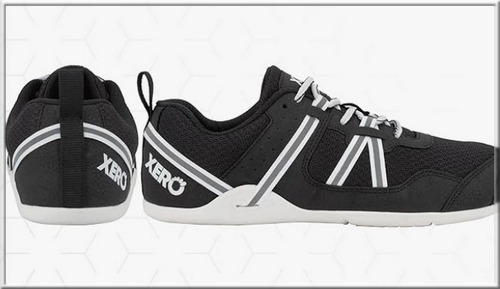
For running with flat feet
Top Pick: Xero Shoes Prio (aff)
Why recommended:
- 5.5mm sole offers protection while maintaining ground feel
- Secure lacing prevents slippage
- Flexible yet durable for pavement
Transition Tip: Start with 1/4 your normal distance, increase 10% weekly
For standing jobs (Teachers, nurses, etc.)
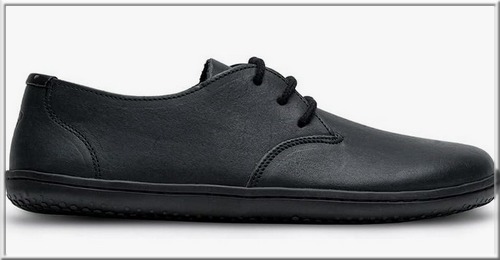
Top Pick: Vivobarefoot Ra III (aff)
Why recommended:
- Professional appearance
- 4mm sole with puncture protection
- Removable insole for customization
Work Transition: Alternate with regular shoes initially, use anti-fatigue mats
For everyday wear
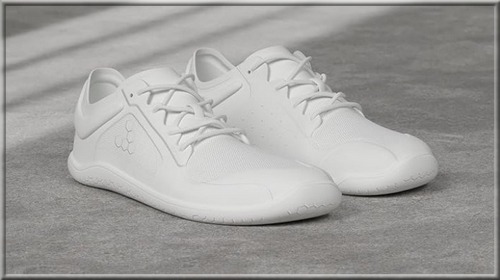
Top Pick: Vivobarefoot Primus Lite III (aff)
Why recommended:
- 3mm thin sole with puncture protection
- Stylish enough for work/streetwear
- Trusted brand for barefoot enthusiasts
For children with flat feet
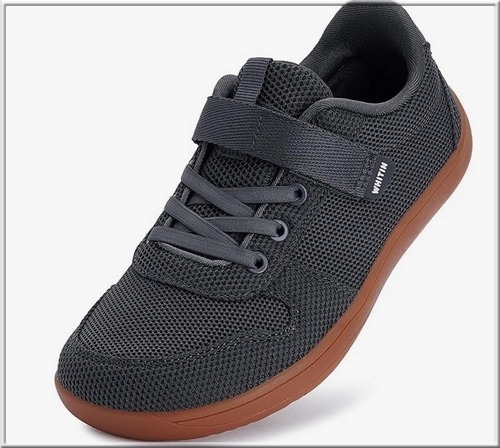
Top Pick: WHITIN Kids Minimalist Shoes (aff)
Why these work for flat feet:
- Extra-wide toe box (lets toes splay naturally)
- 4mm flexible sole for proper foot development
- Machine washable & durable for playground use
How should you transition to minimalist shoes safely?
Phase 1: Preparation (weeks 1-2)
- Walk barefoot indoors 30 minutes daily
- Start foot strengthening exercises
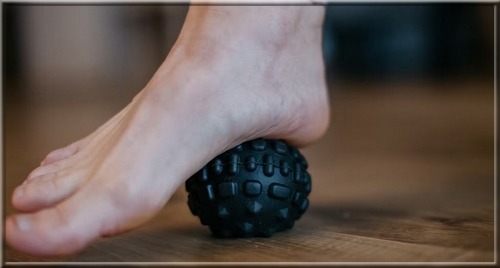
- Massage feet with a golf ball
Phase 2: Initial adaptation (weeks 3-6)
- Wear natural footwear 1-2 hours daily
- Focus on indoor surfaces
- Perform daily exercises:
– Short foot exercise (3×10 reps)
– Toe spreads (10 reps)
– Heel raises (3×15)
Phase 3: Progressive loading (weeks 7-12)
- Increase wear time by 1 hour weekly
- Introduce short outdoor walks
- Begin balance training
Phase 4: Full transition (months 4-6)
- Wear barefoot shoes exclusively if comfortable
- Gradually increase activity intensity
- Continue strength exercises
What are the warning signs your transition is going wrong?
Normal adaptation symptoms
- Mild foot fatigue
- Temporary calf tightness
- Increased awareness of walking form
Red flags requiring adjustment
⚠️ Persistent arch pain
- Likely cause: Overworked muscles
- Solution: Reduce wear time by 50%, add arch doming exercises
⚠️ Achilles tendon discomfort
- Likely cause: Tight calves
- Solution: Calf stretches 3x daily, heel drops
⚠️ Increased knee pain
- Likely cause: Gait changes
- Solution: Video gait analysis, professional assessment
How can you measure your progress effectively?
1. Footprint analysis
- Do monthly wet foot tests
- Measure changes in arch width
2. Strength tests
- Towel scrunch test (ability to pull towel with toes)
- Single-leg balance time
3. Functional improvements
- Pain level reductions
- Increased walking endurance
- Posture improvements
Tracking your progress is essential, but so is understanding what happens when flat feet go unaddressed.
If you’re noticing persistent issues despite your efforts, learn about the long-term consequences of untreated flat feet and why consistent care matters.
Expected timeline
– 3 months:
- Reduced foot fatigue
- Better balance
– 6 months:
- Visible arch development (flexible flat feet)
- More natural gait
– 12+ months:
- Significant pain reduction
- Automatic proper foot mechanics
What are realistic long-term results you can expect?
For flexible flat feet
- Children: Often complete correction
- Young adults: Significant arch improvement
- Older adults: Pain reduction and functional gains
For rigid flat feet
- Improved foot function
- Reduced pain
- Better mobility
- Less reliance on orthotics
Important note: Complete “cures” are rare in adults with rigid flat feet, but quality of life improvements are common.
Beyond foot-specific improvements, many readers report surprising benefits like reduced back tension.
If back pain has been part of your flat feet journey, our dedicated resource on flat feet and back pain explains the biomechanics and offers targeted solutions.
Which complementary therapies give the best results?
Essential exercises
Short foot exercise
- Sit barefoot, shorten foot by drawing toes toward heel
- Hold 5 seconds, 10 reps
Toe spreading
- Lift and spread all toes
- Hold for 5 seconds
- 3 sets of 10
Arch doming
- Create “dome” with arch without curling toes
- Hold 3 seconds, 15 reps
Supportive practices
- Contrast foot baths (hot/cold)
- Self-massage with therapy balls
- Barefoot walking on varied terrain
Final recommendations: Should you try barefoot shoes?
✅ Yes, if:
- You have flexible flat feet
- You’re committed to a slow transition
- You’ll combine with exercises
❌ No, if:
- You have rigid flat feet with severe pain
- You expect overnight results
- You’re unwilling to adjust your gait
Pro tip: Take monthly progress photos of your bare feet to stay motivated!
Your questions about barefoot shoes for flat feet
Are barefoot shoes good for flat feet and high arches?
While our article focuses on flat feet, barefoot shoes can also benefit high arches by improving muscle engagement. However, those with high arches may need a longer transition period to avoid strain.
Do podiatrists recommend barefoot shoes for flat feet?
Opinions vary. Some podiatrists support them for flexible flat feet to strengthen arches, while others caution against them for rigid flat feet or severe overpronation. Always consult your specialist before transitioning.
Can barefoot shoes help with flat feet-related back pain?
Potentially. By improving alignment and reducing overpronation, barefoot shoes may alleviate back pain caused by poor gait mechanics. However, results vary—pair with core exercises for best results.
Are barefoot shoes safe for flat feet during pregnancy?
Yes, but with caution. Pregnant women often develop temporary flat feet due to loosened ligaments. Opt for barefoot shoes with slightly thicker soles (5-7mm) for stability.
Can I use orthotics with barefoot shoes?
It’s not recommended, as orthotics defeat the purpose of muscle strengthening. Instead, try hybrid shoes like Altra Escalante (minimalist with slight arch support) if needed.
What socks work best with barefoot shoes?
Choose toe socks (like Injinji) to prevent blisters during transition, or ultra-thin socks to maintain ground feel. Avoid thick cushioning.
How do I know if my barefoot shoes fit correctly?
– Toes should fully spread without touching the sides.
– Heel shouldn’t slip when walking.
– Width should accommodate foot swelling (common with flat feet).

Marie – FlatFeetSolutions
Flat feet, wide feet or plantar fasciitis? Like you, I'm tired of useless advice.
On this site, I share practical solutions, shoe tests and tips based on my experience and extensive research. My goal: to help you make informed choices for more comfort in daily life.
📌 Important: My advice is informative. For any foot health problem, always consult a podiatrist.
