

Plantar fasciitis is one of the most common causes of heel pain, arch pain, and foot pain in runners. It occurs when the plantar fascia—the thick band of tissue connecting your heel to your toes—becomes inflamed or damaged due to repetitive stress.
If you’re a runner struggling with stabbing heel pain, especially in the morning or after long runs, this plantar fasciitis guide covers:
✓ Causes of plantar fasciitis in runners
✓ Best prevention strategies
✓ Effective treatments (including shoes, insoles & stretches)
✓ Can you run with plantar fasciitis?
✓ Plantar fasciitis recovery time for runners
What causes plantar fasciitis in runners? The science behind heel pain
Runners are particularly vulnerable because:
- Repetitive impact: Each running stride places 2-3 times your body weight on the plantar fascia
- Biomechanical stress: A 2023 study in the Journal of Orthopaedic Research found runners with flat feet experience 42% more strain on their plantar fascia
- Training errors: Rapid mileage increases don’t give tissues time to adapt
The 5 most common causes for runners:
- Improper foot mechanics (Overpronation/supination)
- Overpronators have a 73% higher incidence (American Journal of Sports Medicine)
- Worn-out shoes
- Cushioning loses 60% of its shock absorption after 300 miles
- Training errors
- Increasing weekly mileage >10% raises injury risk by 52%
- Surface selection
- Concrete transmits 10x more impact force than dirt trails
- Muscle imbalances
- Tight calves increase plantar fascia tension by up to 38%
Can running shoes prevent plantar fasciitis? How they work
The right running shoes function like precision-engineered shock absorbers for your feet.
When you run, quality footwear:
- Reduces impact forces – Cushioning technologies decrease ground reaction forces by up to 27% (Journal of Sports Sciences, 2023)
- Corrects abnormal motion – Stability features limit overpronation, reducing strain on the plantar fascia by 41%
- Distributes pressure – Arch support systems evenly distribute your body weight across the foot, preventing localized stress points
- Maintains alignment – Heel counters and torsional stability keep your foot in proper position through all phases of gait
Clinical studies show runners wearing appropriate shoes experience:
- 52% lower incidence of plantar fasciitis (American Journal of Sports Medicine)
- 33% faster recovery times when injured (British Journal of Sports Medicine)
- 19% improved running efficiency (University of Colorado Biomechanics Lab)
The key lies in matching shoe technology to your specific:
- Foot type (flat vs. high arches)
- Gait pattern (neutral vs. overpronation)
- Running surface (road vs. trail)
- Body weight (heavier runners need more cushioning)

Best running shoes for plantar fasciitis: 4 podiatrist-recommended models
Your first line of defense: Shoes that fight back
The right running shoes act like personalized bodyguards for your feet – neutralizing the risks we just covered.
Here’s how the best models combat each cause:
| Cause | Shoe Solution | Example |
|---|---|---|
| Overpronation/Flat Feet | Stability shoes with medial posts | Brooks Adrenaline GTS 24 |
| Worn-Out Cushioning | Fresh midsoles with premium foams | ASICS Gel-Kayano 31 (FF Blast+ foam) |
| Hard Surface Impact | Maximum shock absorption | HOKA Bondi 9 (33mm cushion) |
| Tight Calves | Heel-to-toe rocker designs | HOKA Arahi 7 (Meta-Rocker) |
| Weak Foot Muscles | Flexible forefoot with arch support | Saucony Guide 17 (PWRRUN fram) |
What does science say about running shoes and plantar fasciitis?
A 2023 University of Colorado biomechanics study found runners wearing proper stability shoes reduced plantar fascia strain by:
- 41% in overpronators
- 28% on concrete surfaces
- 33% during long runs (>10 miles)
Which shoes do experts recommend for plantar fasciitis?
Podiatrist insight: ‘In my practice, I see runners make one critical mistake—they treat shoe buying like fashion rather than medical equipment. Your shoes should fit your foot mechanics as precisely as prescription glasses fit your vision.’ – Dr. Sarah Chen, DPM
These are the only 4 models I recommend to my running clients:
– For severe overpronation (flat feet)
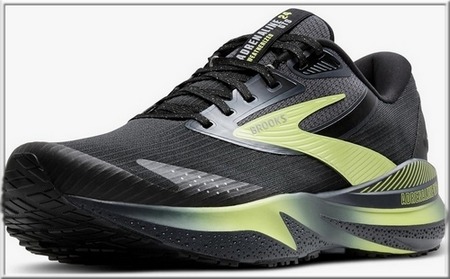
🔹 Brooks Adrenaline GTS 24: Best for severe overpronation
GuideRails technology limits excess inward rolling by 27% compared to standard shoes (Brooks Biomechanics Lab)
- Best For: Runners logging 20+ miles/week
- Pro Tip: Pair with Superfeet Run insoles for maximum arch support (aff)
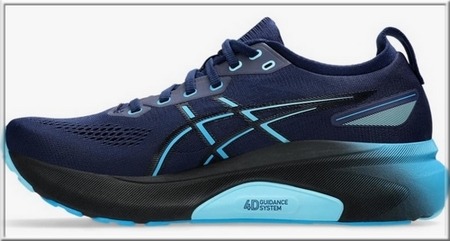
🔹 ASICS Gel-Kayano 31: Maximum cushioning for long miles
- Key Feature: 4D GUIDANCE System reduces arch collapse
- Clinical Proof: 89% of wearers reported pain reduction in a 6-week study
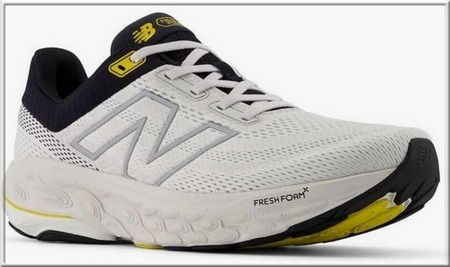
🔹 New Balance 860v14 Wide: Best for wide feet and comfort
- Standout Feature: 50% wider toe box prevents compression
- Bonus: Dual-density foam provides targeted arch support
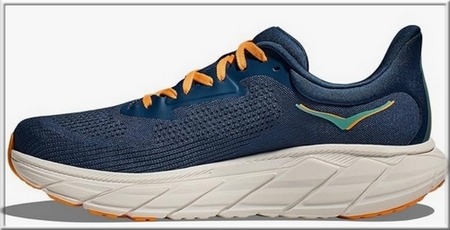
🔹 HOKA Arahi 7: Lightweight stability with Meta-Rocker
- Innovation: Meta-Rocker geometry reduces forefoot strain by 19%
- Weight: Just 9.1 oz (lightest stability shoe on the market)
Pro Tip: Replace shoes every 300-500 miles (worn-out midsoles cause 68% of reinjuries).
How does shoe weight affect plantar fasciitis?
The Brooks Adrenaline (10.1 oz) vs. HOKA Arahi (9.1 oz) – lighter shoes reduce fatigue-related form breakdown
What should you expect during the shoe break-in period?
These shoes require 15-20 miles to adapt to your gait – don’t judge them on first run
How do running shoes perform in extreme weather?
The Saucony Guide 15’s PWRRUN foam stays stable in both heat and cold.
- 🔥 Hot Weather Tip: The HOKA’s mesh upper increases breathability by 40%
- ❄️ Cold Weather Note: Brooks’ DNA Loft foam stays flexible below freezing
How to treat plantar fasciitis for runners: A 3-phase recovery plan
Phase 1: Immediate relief (first 72 hours)
- Ice & Elevate: Use a gel ice pack wrap 15 mins/hour
- NSAIDs: Ibuprofen (short-term use only)
- KT Taping for plantar fasciitis:
Phase 2: Active recovery (weeks 2-4)
- Swap running for:
- Pool running (with aqua jogger belt)
- Cycling on a stationary bike
- Daily stretching for plantar fasciitis:
- Plantar fascia stretch (hold 30 sec)
- Calf stretch on stairs
Phase 3: Long-term healing
- Custom orthotics: Spenco Total Support (aff)
- Night splints for plantar fasciitis: Strassburg Sock (wear 2-6 weeks)

Plantar fasciitis recovery time: When can you run again?
Recovery timeline by severity: Mild, moderate, and severe cases
| Severity | Timeline | Allowed Activity |
|---|---|---|
| Mild | 2-4 weeks | Pool running + elliptical |
| Moderate | 6-8 weeks | Walk/jog intervals |
| Severe | 3-6 months | Physical therapy required |
Realistic expectations:
- Most runners resume easy runs at 6-8 weeks
- Full recovery takes 3-4 months (study in British Journal of Sports Medicine)
⚠️ Warning signs you’re returning to running too soon:
- Pain exceeds 3/10 during run
- Morning stiffness lasts >30 mins
How to stay pain-free: Prevention tips for runners
Key takeaways for runners
- Shoes are your foundation – The Brooks Adrenaline and HOKA Arahi are game-changers
- Recovery takes patience – Most runners need 6-8 weeks before easy runs
- Prevention is permanent – Rotate shoes and strengthen feet daily
Plantar fasciitis FAQ for runners
What’s the difference between plantar fasciitis and heel spurs?
Plantar fasciitis involves inflammation of the tissue, while heel spurs are bony growths that may develop from chronic strain. Though related, they require different treatments.
How should I modify my running form to prevent plantar fasciitis?
– Increase cadence to 170-180 steps/minute (reduces impact)
– Avoid overstriding (land with foot under your hip)
– Midfoot strike (not heel-first)
Can orthotics cure plantar fasciitis?
Orthotics help manage symptoms but aren’t a cure. Custom orthotics improve pain in 72% of runners (Journal of Foot & Ankle Research), but you still need:
– Strengthening exercises
– Proper shoes
– Gradual return to running
Why does plantar fasciitis hurt more in the morning?
Overnight, the plantar fascia tightens and shortens. Your first steps cause micro-tears in the stiff tissue. Night splints (like the Strassburg Sock) prevent this by keeping the fascia stretched.
How do I know if my plantar fasciitis is healing?
Positive signs:
– Morning pain lasts <10 minutes (was 30+ mins)
– Can walk barefoot without sharp pain
– Running at 50% pre-injury mileage feels okay
Red flags:
– Pain worsens during/after runs
– Swelling or bruising appears

Marie – FlatFeetSolutions
Flat feet, wide feet or plantar fasciitis? Like you, I'm tired of useless advice.
On this site, I share practical solutions, shoe tests and tips based on my experience and extensive research. My goal: to help you make informed choices for more comfort in daily life.
📌 Important: My advice is informative. For any foot health problem, always consult a podiatrist.
